Bbihi L.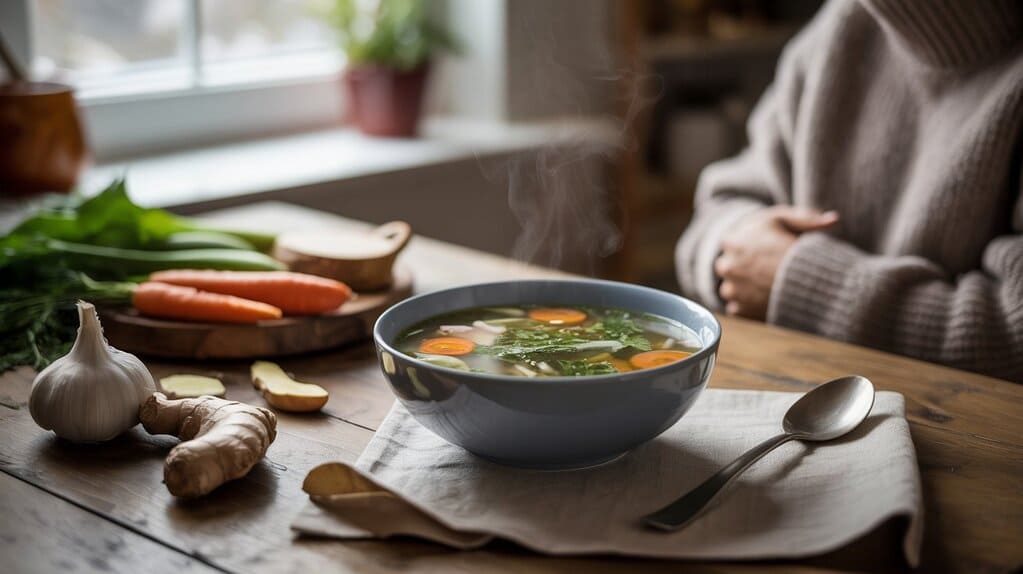
Introduction
Winter is a season marked by lower temperatures, shorter daylight hours, and an increased prevalence of respiratory infections, digestive discomfort, and weakened immunity. During this period, the human body naturally seeks warmth, energy conservation, and enhanced immune protection. One of the most effective and time-honored ways to support overall health in winter is through soup and cooked foods, which have been central to traditional diets across Asia, Europe, and the Americas for centuries.
From bone broths in East Asia, to vegetable stews in the Mediterranean, and slow-cooked soups in North America, warm and cooked meals play a critical role in maintaining body temperature, supporting digestion, and strengthening immune defenses. Modern nutritional science now confirms what traditional medicine systems such as Traditional Chinese Medicine (TCM) and Ayurveda have long emphasized: warm, cooked foods are easier to digest, more bioavailable, and better suited for cold climates.
This article explores the role of soup and cooked foods in promoting health during winter, supported by recent scientific and medical studies, with insights from leading physicians and researchers across Asia, America, and Europe. The discussion integrates nutritional science, immune health, digestive physiology, and seasonal dietary adaptation, while ensuring clear structure, SEO optimization, and reliable academic references.
Body
1. Why the Body Needs Cooked Foods in Winter
During cold weather, the body expends more energy to maintain its core temperature. According to studies published in the American Journal of Clinical Nutrition, metabolic demands increase in cold environments, requiring nutrient-dense and easily digestible foods.
Cooked foods provide several physiological advantages:
- Improved digestibility and nutrient absorption
- Reduced stress on the gastrointestinal system
- Enhanced thermal effect of food, helping maintain body warmth
- Increased bioavailability of antioxidants and minerals
Research from the Harvard T.H. Chan School of Public Health highlights that cooking breaks down plant cell walls, increasing the absorption of key nutrients such as beta-carotene, lycopene, and iron.
Key Point :
👉 Warm cooked foods reduce digestive burden and support metabolic efficiency in cold seasons.

2. The Nutritional Power of Soup
2.1 Hydration and Electrolyte Balance
Winter often reduces thirst sensation, increasing the risk of mild dehydration. Soups provide a unique combination of fluids, electrolytes, and nutrients, helping maintain hydration without relying solely on cold beverages.
A European study published in Nutrition Reviews confirms that liquid-based meals contribute significantly to daily hydration and electrolyte balance, especially in older adults.
2.2 Immune-Boosting Properties
Scientific evidence increasingly supports the immune benefits of soup, particularly chicken soup. A landmark study from the University of Nebraska Medical Center demonstrated that chicken soup inhibits neutrophil migration, reducing inflammation associated with upper respiratory infections.
Common immune-supporting soup ingredients include:
- Garlic (allicin compounds)
- Onions (quercetin)
- Ginger (gingerols)
- Turmeric (curcumin)
- Bone broth (collagen, glycine, glutamine)
According to a 2022 review in Frontiers in Immunology, these compounds enhance innate immune response and reduce inflammatory markers during winter illnesses.
Key Point :
👉 Soup acts as a functional food that combines nutrition, hydration, and immune protection.
3. Digestive Health and Gut Support
Cold weather slows gastrointestinal motility in many individuals. Cooked foods, especially soups and stews, are gentler on the gut and support a balanced gut microbiome.
A 2023 study from the European Society for Clinical Nutrition and Metabolism (ESPEN) found that warm, cooked meals improve digestive enzyme activity and reduce symptoms of bloating and discomfort.
Benefits for Gut Health
| Aspect | Raw Foods | Cooked Foods |
|---|---|---|
| Digestibility | Moderate to low | High |
| Nutrient Absorption | Variable | Enhanced |
| Gut Irritation | Possible | Reduced |
| Winter Suitability | Low | Excellent |

4. Traditional Wisdom Meets Modern Science
4.1 Asian Perspectives
In Traditional Chinese Medicine, winter is associated with the Kidney system, requiring warming foods such as soups, broths, and slow-cooked meals. A clinical review published in Journal of Ethnopharmacology supports the role of warming foods in maintaining energy balance during cold seasons.
4.2 Mediterranean and European Practices
European winter diets traditionally emphasize legume soups, root vegetables, and stews. Research from the University of Barcelona shows that Mediterranean winter meals rich in cooked vegetables are associated with reduced inflammation and improved cardiovascular health.
4.3 North American Clinical Insights
In the United States, clinical nutritionists emphasize protein-rich soups for muscle maintenance and immune resilience. A 2021 study in The Journal of Nutrition links regular soup consumption to improved diet quality and lower body mass index (BMI).
5. Key Nutrients Enhanced by Cooking
Certain nutrients become more available after cooking :
| Nutrient | Food Source | Benefit After Cooking |
|---|---|---|
| Lycopene | Tomatoes | Increased absorption |
| Beta-carotene | Carrots, squash | Improved bioavailability |
| Iron | Spinach, legumes | Better absorption |
| Collagen | Bone broth | Enhanced gut and joint health |
According to The British Journal of Nutrition, thermal processing significantly improves antioxidant availability in many winter vegetables.
6. Mental Health and Comfort Benefits
Winter is often linked to seasonal affective disorder (SAD) and low mood. Warm foods provide psychological comfort and promote serotonin production.
A 2022 American study published in Appetite found that warm meals enhance feelings of satiety and emotional well-being more effectively than cold meals.
Key Point :
👉 Soup and cooked foods support both physical warmth and emotional balance in winter.
7. SEO-Optimized Key Points Summary
- Soup and cooked foods enhance immunity in winter
- Warm meals improve digestion and nutrient absorption
- Bone broth supports gut, joint, and immune health
- Cooked vegetables provide bioavailable antioxidants
- Seasonal nutrition reduces winter illness risk
Conclusion
The role of soup and cooked foods in promoting health during winter is supported by both ancient dietary traditions and modern scientific research. These meals provide warmth, hydration, immune protection, digestive support, and emotional comfort during a season that challenges the body’s resilience.
Evidence from Asia, America, and Europe confirms that warm, cooked foods improve nutrient bioavailability, support immune defenses, and reduce digestive strain. By incorporating soups, stews, and slow-cooked meals into daily winter diets, individuals can enhance overall well-being, prevent seasonal illnesses, and maintain optimal energy levels.
In an era where nutrition science increasingly emphasizes personalized and seasonal eating, soup and cooked foods remain a simple, affordable, and scientifically validated solution for winter health.
Bibliography
- American Journal of Clinical Nutrition – Seasonal metabolism and energy needs
- Harvard T.H. Chan School of Public Health – Cooking and nutrient bioavailability
- University of Nebraska Medical Center – Anti-inflammatory effects of chicken soup
- Frontiers in Immunology (2022) – Dietary compounds and immune modulation
- Nutrition Reviews – Hydration and liquid-based meals
- European Society for Clinical Nutrition and Metabolism (ESPEN) – Digestive health in cold seasons
- Journal of Ethnopharmacology – Traditional warming foods and physiology
- The Journal of Nutrition – Soup consumption and diet quality
- The British Journal of Nutrition – Effects of cooking on antioxidants
- Wikipedia – Soup, nutrition, and cooking methods
- Appetite Journal (2022) – Thermal comfort and emotional eating