lbb style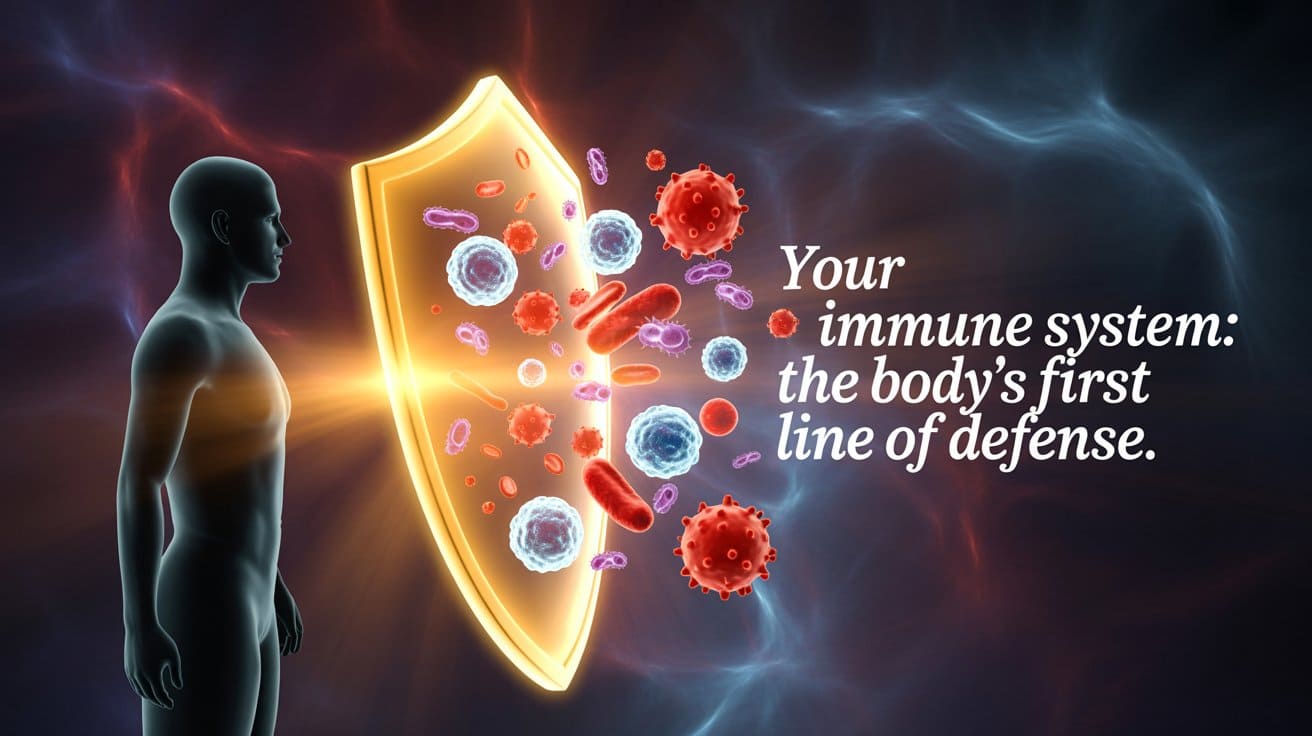
Introduction
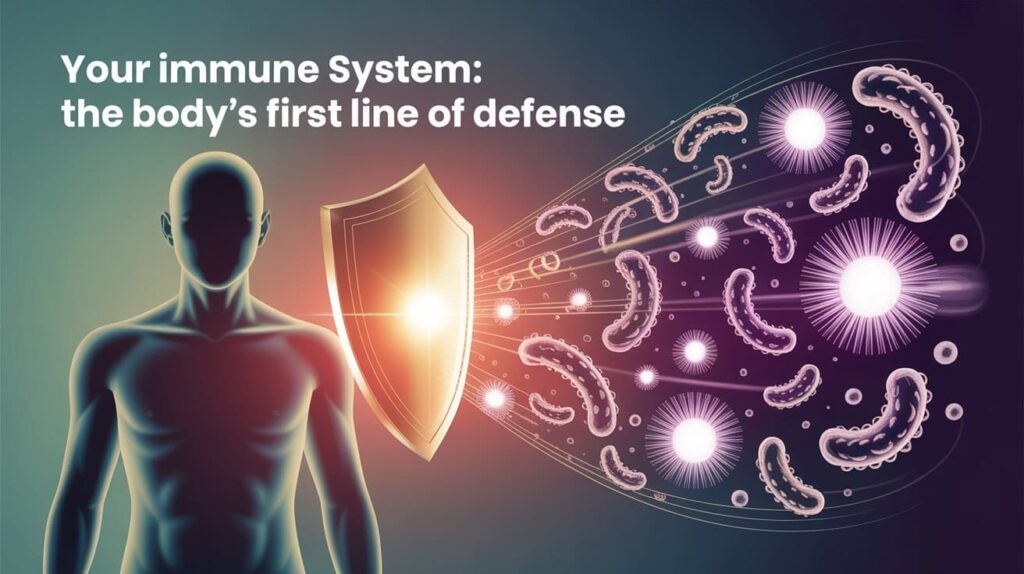
The immune system is one of the most remarkable defense mechanisms in the human body. It serves as a shield against harmful microorganisms such as bacteria, viruses, fungi, and parasites, ensuring survival and long-term health. Without it, even minor infections could become life-threatening. Over the past decades, researchers and physicians across the globe—from Asia to Europe and the United States—have emphasized the critical importance of immunity in disease prevention, recovery, and longevity (National Institutes of Health, 2022; World Health Organization, 2023).
In today’s fast-paced world, stress, pollution, poor nutrition, and sedentary lifestyles compromise our immune defenses. This raises a crucial question: How can we strengthen the immune system naturally? Modern medicine and nutritional science confirm that dietary habits, physical activity, mental health, and natural remedies play vital roles in boosting immunity. This article explores the structure and function of the immune system, natural ways to enhance it, and recent scientific evidence that supports these practices.

Understanding the Immune System
The Structure and Functions of the Immune System
The immune system is a complex network of organs, tissues, cells, and signaling molecules that work together to protect the body. According to Wikipedia and leading immunology references (Janeway’s Immunobiology, 2021), its main components include:
- White blood cells (Leukocytes) : Patrol the body and destroy pathogens.
- Bone marrow : Produces immune cells.
- Thymus : Trains T-cells to recognize threats.
- Lymph nodes and spleen : Filter blood and lymph fluids, trapping pathogens.
- Antibodies : Proteins that neutralize invaders.
The immune system is divided into two main branches:
- Innate immunity – The first line of defense, quick but non-specific.
- Adaptive immunity – More specialized, remembers previous infections, and provides long-term protection.
Factors That Weaken Immunity
Numerous studies (Mayo Clinic, 2022; Harvard Health Publishing, 2023) show that several lifestyle and environmental factors can weaken immunity, including:
- Poor diet lacking vitamins and minerals.
- Chronic stress and lack of sleep.
- Smoking and excessive alcohol consumption.
- Sedentary lifestyle.
- Exposure to environmental toxins.
Natural Ways to Strengthen the Immune System
1. Nutrition and Immunity
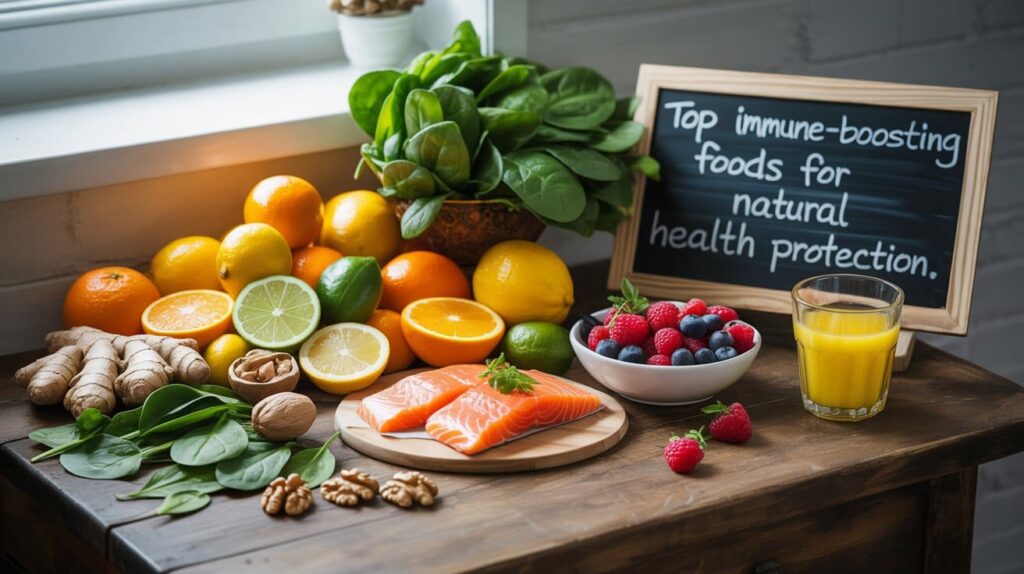
A balanced diet is the foundation of strong immunity. Foods rich in vitamins, minerals, and antioxidants enhance the body’s defense mechanisms.
Key nutrients that support immunity:
- Vitamin C : Found in citrus fruits, kiwi, and bell peppers, it stimulates white blood cell production.
- Vitamin D : Produced by sunlight exposure and found in fatty fish; supports adaptive immunity.
- Zinc : Found in pumpkin seeds, lentils, and seafood; enhances immune cell communication.
- Iron & Selenium : Essential for proper immune response.
- Antioxidants : Present in berries, green tea, and dark leafy vegetables, they protect cells from oxidative stress.
📊 Table 1: Key Nutrients and Their Natural Food Sources
| Nutrient | Food Sources | Immune Benefits |
|---|---|---|
| Vitamin C | Oranges, kiwi, bell peppers, strawberries | Enhances white blood cells, antioxidant |
| Vitamin D | Fatty fish, mushrooms, fortified milk | Supports adaptive immunity |
| Zinc | Pumpkin seeds, lentils, oysters | Improves immune cell function |
| Iron | Spinach, red meat, beans | Helps transport oxygen in the blood |
| Selenium | Brazil nuts, tuna, eggs | Antioxidant and anti-inflammatory |
Recent studies published in the Journal of Clinical Nutrition (2021) highlight that individuals consuming a diet high in these nutrients experience fewer infections and recover more quickly.
2. The Role of Medicinal Herbs
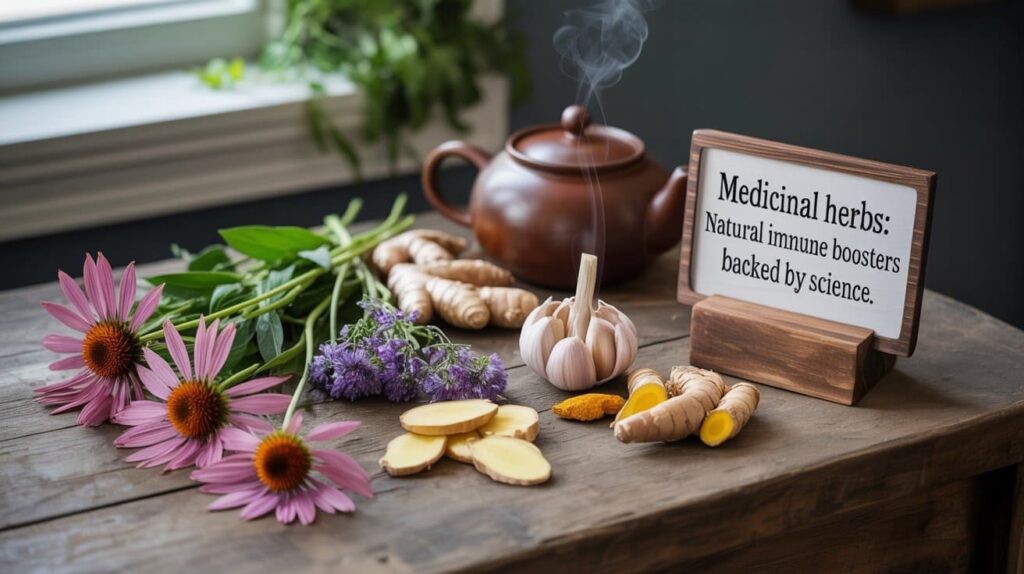
For centuries, herbal medicine has been a cornerstone of natural immunity. Modern research confirms the immune-boosting properties of several plants:
- Echinacea : Enhances white blood cell activity (European Journal of Immunology, 2020).
- Ginger : Contains anti-inflammatory compounds called gingerols.
- Turmeric (Curcumin): A powerful antioxidant that modulates immune pathways.
- Green Tea (Catechins) : Supports immune defense and reduces inflammation.
- Garlic (Allicin) : Known for antiviral and antibacterial properties.
📊 Table 2 : Medicinal Herbs and Their Immune Benefits
| Herb | Active Compound | Immune Effect |
|---|---|---|
| Echinacea | Alkylamides | Stimulates white blood cells |
| Ginger | Gingerols | Anti-inflammatory, boosts immunity |
| Turmeric | Curcumin | Antioxidant, regulates immune system |
| Green Tea | Catechins | Reduces inflammation, supports defense |
| Garlic | Allicin | Antiviral, antibacterial |
3. Lifestyle and Habits
Besides diet and herbs, lifestyle choices are critical for immune strength. Research from Harvard Medical School (2023) and the University of Tokyo (2022) recommends:
- Regular Exercise: Improves circulation, allowing immune cells to travel more efficiently.
- Quality Sleep: 7–9 hours of deep sleep restores immune balance.
- Stress Management: Chronic stress suppresses immunity by increasing cortisol. Meditation and yoga are effective solutions.
- Hydration: Water helps flush out toxins and supports lymphatic circulation.
4. Probiotics and Gut Health
A healthy gut is central to a strong immune system. According to studies from the American Gastroenterological Association (2021), more than 70% of immune cells are located in the gut. Probiotics from yogurt, kefir, and fermented foods like kimchi improve gut flora and strengthen immunity.
5. Avoiding Immune-Suppressing Habits
Finally, to preserve immunity, it is essential to avoid:
- Smoking (damages lung defense).
- Excessive alcohol (suppresses immune cells).
- Overuse of antibiotics (destroys gut microbiota).
Key Points Summary
- The immune system is vital for protecting against infections and diseases.
- Diet rich in vitamins, minerals, and antioxidants plays a key role in immunity.
- Herbs such as garlic, turmeric, and echinacea provide natural immune support.
- Healthy lifestyle choices like exercise, sleep, and stress reduction strengthen immunity.
- Gut health and probiotics are essential for long-term immune defense.
Conclusion
The immune system is a lifeline for human survival, intricately designed to protect against pathogens and maintain balance. While modern medicine provides advanced treatments, the foundation of immunity lies in daily lifestyle choices, nutrition, and natural remedies. Strengthening the immune system naturally is not just about preventing illness—it is about enhancing quality of life, energy, and longevity.
By adopting a diet rich in essential nutrients, integrating medicinal herbs, maintaining a healthy lifestyle, and protecting gut health, individuals can significantly improve their immunity. As confirmed by leading global studies, natural strategies are powerful tools for promoting health and resilience.
References
- National Institutes of Health (NIH). (2022). Immune System and Disorders.
- World Health Organization (WHO). (2023). Strengthening Immunity through Nutrition.
- Janeway, C.A. (2021). Janeway’s Immunobiology. Garland Science.
- Harvard Health Publishing. (2023). How to Boost Your Immune System.
- Mayo Clinic. (2022). Immunity and Lifestyle Factors.
- Journal of Clinical Nutrition. (2021). Dietary Patterns and Immune Function.
- European Journal of Immunology. (2020). Herbal Medicine and Immune Modulation.
- American Gastroenterological Association. (2021). Gut Microbiome and Immunity.
- Wikipedia. (2023). Immune System.